
Commercial Building Inspections: What Property Owners Need to Know Before Buying or Leasing
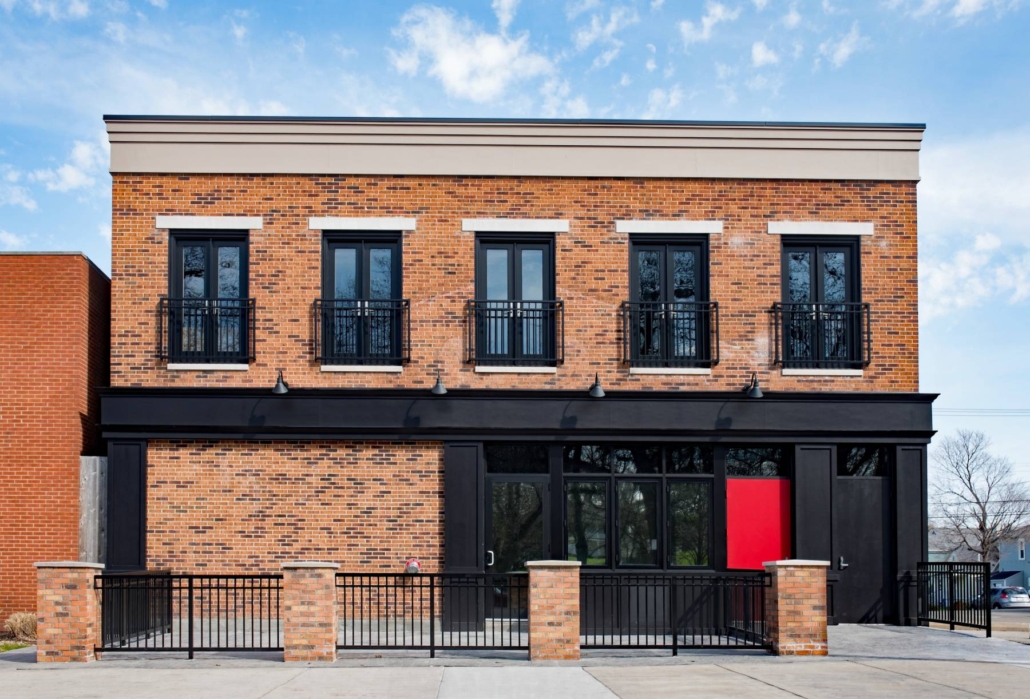
If you are planning to buy, lease, or manage a non‑residential property, commercial building inspections are an essential part of protecting your investment. A commercial building inspection evaluates the condition of a property’s structural and operational systems to identify issues that may not be obvious during a casual walkthrough. Understanding what commercial building inspections involve can help you make informed decisions, negotiate effectively, and avoid costly surprises after closing or signing a lease.
Understanding Commercial Building Inspections
Commercial building inspections focus on evaluating the overall condition and performance of properties used for business, professional, retail, industrial, or mixed‑use purposes. These inspections go beyond surface observations and involve a thorough look at how the building’s major systems are functioning. Commercial properties often have more complex systems than homes, including large‑scale electrical services, multiple HVAC units, and industrial plumbing, all of which require professional assessment.
The purpose of a commercial building inspection is to provide a clear picture of the property’s current state, identify potential risks, and document maintenance or repair needs. Whether you are an investor, business owner, or landlord, this information helps you plan for future repairs, create budgets, and understand which issues need immediate attention.
Why These Inspections Matter
Commercial building inspections matter because non‑residential properties are typically more expensive and involve greater financial risk than residential homes. Issues that go unnoticed, such as roof deterioration, water intrusion, outdated electrical systems, or structural defects, can lead to expensive repairs, business interruptions, and liability concerns.
For buyers, a commercial building inspection report can influence the negotiating process, letting you request repairs or adjust the offer price based on the property’s condition. For tenants, inspections help you understand the physical condition of a space before committing to a long‑term lease. For property owners and managers, regular inspections support preventive maintenance and asset protection.
What Is Evaluated During Commercial Building Inspections
Commercial building inspections examine a wide range of elements that affect the safety, function, and longevity of a property. Structural components such as foundations, support beams, exterior walls, and roofing systems are reviewed for signs of deterioration, cracking, movement, or water intrusion. Inspectors assess load‑bearing areas and materials to determine whether structural integrity is compromised.
Mechanical systems are a major part of the inspection. Large HVAC systems, boilers, chillers, and ductwork are evaluated to confirm proper operation and identify issues that could lead to future failures. Electrical systems are reviewed for panel capacity, wiring conditions, breaker functionality, and code compliance. Issues such as overloaded circuits or outdated systems are documented for further action.
Plumbing infrastructure is another focus, especially in buildings with multiple units or restrooms. Inspectors check for leaks, inadequate drainage, backflow hazards, and condition of water heaters or pumps. Fire protection systems, including alarms, sprinklers, emergency lighting, and exit routes, are also reviewed for effectiveness and compliance with safety standards.
Site elements such as parking lots, sidewalks, grading, drainage patterns, and exterior finishes are part of the inspection because they affect safety, accessibility, and ongoing maintenance. The condition of windows, doors, and accessibility features like ramps and handrails are noted to help owners plan improvements.
How These Inspections Differ From Other Inspections
Commercial building inspections differ from residential home inspections because the scale, standards, and systems involved are more complex. Commercial properties often require coordination with specialists, especially for elevators, fire suppression systems, structural engineering evaluations, or environmental concerns such as mold or asbestos. A home inspection typically focuses on residential‑grade systems, whereas commercial inspections need to account for business‑scale equipment and code requirements.
Because of this complexity, inspection reports for commercial buildings may be more detailed and include recommendations for follow‑up evaluations by licensed professionals in specialized fields. This provides owners and stakeholders with a broader understanding of issues that may require expert attention.
Preparing for a Commercial Building Inspection
Preparation helps ensure a smooth and thorough commercial building inspection. Property owners or managers should provide access to all mechanical rooms, rooftops, utility closets, basements, and any tenant areas. Clearing storage and ensuring equipment is accessible allows inspectors to fully assess systems without obstruction.
Providing maintenance records, service logs, and information on past repairs gives the inspector context for recurring issues or recent upgrades. Good communication between property stakeholders and the inspection team also helps clarify the goals of the inspection and ensures the report meets your needs.
Common Outcomes After Commercial Building Inspections
After a commercial building inspection, clients receive a detailed report outlining observations, system conditions, and recommendations. The report may include descriptions, photos, notes on safety concerns, and suggested timelines for repairs or monitoring. Issues may range from minor maintenance needs to significant defects requiring contractor or engineer intervention.
For buyers, inspection results often inform negotiation strategies or condition‑based offers. For tenants, the report clarifies what condition the space is in before signing a lease. For owners, the findings help prioritize capital improvements and reduce the risk of unexpected failures. A documented inspection becomes a roadmap for proactive property management and long‑term planning.
FAQs About Commercial Building Inspections
- What types of properties benefit from commercial building inspections
Office buildings, retail centers, warehouses, industrial facilities, mixed‑use properties, and multi‑tenant spaces all benefit from professional building inspections. - How long does a commercial building inspection take
Inspections vary in duration based on property size, age, and complexity of systems, but most take several hours to a full day or more. - Can a property fail a commercial building inspection
There is no formal pass or fail. The inspection report identifies issues and recommendations, and stakeholders decide how to address findings. - Do commercial building inspections cover environmental concerns
Inspectors may note visible issues, but environmental hazards such as mold, asbestos, or lead often require specialized testing by certified professionals. - Is a commercial building inspection required for financing
Many lenders require a commercial inspection or property condition assessment as part of the loan approval process to assess risk and property condition.
Commercial building inspections provide essential insight into the condition, safety, and future needs of non‑residential properties. Whether you are buying, leasing, or managing a building, these inspections help you make informed decisions, protect your investment, and plan for long‑term success.


